
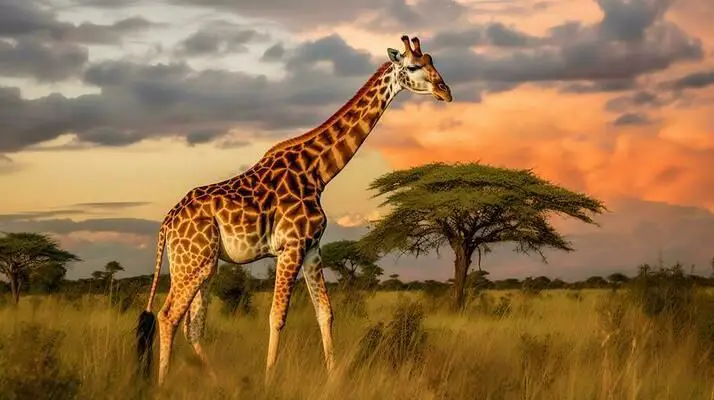
Every morning, across savannas, alpine peaks, dense rainforests, and vibrant ocean reefs, the natural world orchestrates a delicate, highly synchronized balance. Wildlife is not merely a backdrop for breathtaking photography or high-altitude safaris; wild animals and plant species are the living architecture holding our global ecosystems together.
From the smallest pollinators ensuring agricultural harvests to apex predators keeping food webs stable, biodiversity serves as the ultimate safety net for life on Earth.
World Animal Protection
1. The Quiet Engineers of Our Ecosystems
When we protect wildlife, we protect the invisible networks that keep our planet habitable. Animals act as ecosystem engineers in ways we often take for granted:
- Seed Dispersers & Forest Growers: Elephants, primates, and frugivorous birds digest seeds and transport them across vast distances. Forests generated by this natural dispersal act as primary carbon sinks, regulating the world’s climate. Ketto
- Pollinators of Life: Wild bees, bats, and butterflies sustain over 75% of the world's flowering plants and roughly one-third of global food crop production.
- Predators as Balance Keepers: Big cats, wolves, and raptors prevent herbivores from overgrazing riverbanks and forest floors, safeguarding freshwater sources and reducing soil erosion.
[Apex Predators] ➔ [Regulate Herbivore Populations] ➔ [Protect Vegetation & Riverbanks] ➔ [Sustain Biodiversity]
2. A Shift Toward Community-Led Conservation
For decades, traditional conservation often relied on "fencing off" nature. Today, the world is realizing that the most sustainable guardians of wildlife are the indigenous and local communities who live alongside these habitats.
TopTenGlobe
Community conservancies in places like East Africa, the Amazon Basin, and Southeast Asia demonstrate that wildlife protection and human prosperity go hand-in-hand:
- Direct Livelihoods: Revenue from eco-tourism and conservancy fees directly funds local schools, healthcare, and infrastructure.
- Coexistence Over Conflict: Programs that deploy smart fencing, compensate farmers for livestock losses, and employ local rangers have dramatically reduced human-wildlife conflict.
- Indigenous Knowledge: Combining modern monitoring technology—such as acoustic tracking and satellite tags—with traditional ecological knowledge yields far better outcomes for endangered species. TopTenGlobe
3. Inspiring Wins Across Land and Sea
While habitat loss, climate change, and poaching remain serious global challenges, targeted conservation efforts are proving that recovery is entirely possible:
TopTenGlobe
| Conservation Milestone | Ecosystem / Region | Impact & Recovery |
|---|---|---|
| High Seas Protections | Global Oceans | More than 10% of global marine waters are now under formal protection, closing gaps exploited by illegal fishing. |
| Community Forest Reserves | Amazon & Southeast Asia | Indigenous stewardship is protecting tens of millions of acres of intact tropical forest. |
| Species Rebound Programs | Coastal & Savanna Habitats | Strict protection measures have led to notable recoveries in species like sea turtles, marine mammals, and key migratory birds. |
4. How You Can Make a Difference
You don't need to be a field biologist working in a remote reserve to help protect wild species. Everyday decisions collectively shape the future of our planet:
Ketto
- Practice Responsible Tourism: Support ethical wildlife destinations that prioritize animal welfare over photo-ops, and choose eco-lodges that directly reinvest profits into local communities.
- Reduce Demand for Unsustainable Goods: Say no to illegal wildlife products, curb single-use plastics that contaminate ocean habitats, and support sustainable, deforestation-free supply chains. Ketto
- Be a Champion for Local Biodiversity: Plant native flora to support local pollinators, minimize artificial pesticide use, and advocate for natural space preservation in your own community.
Preserving the Wild for Tomorrow
Protecting wildlife is not an act of charity; it is an act of self-preservation. When nature thrives, communities flourish, ecosystems stabilize, and our shared world remains vibrant and resilient.
World Animal Protection+ 1
Is there a particular wildlife conservation initiative or species recovery story that inspires you most?